Posts

Final Thoughts on the Importance of Wilderness

Image
The Alaska National Interest Lands Conservation Act  (ANILCA) is a U.S. law passed towards the end of President Carter's Presidency after nearly four years of fierce debate. ANILCA significantly expanded the National Park System in Alaska and designated vast areas as wilderness, wildlife refugees, and wild and scenic rivers. A primary goal of ANILCA was to protect the unique natural, cultural, and recreational resources of Alaska while also recognizing the importance of subsistence uses for rural residents.  The act is considered a landmark piece of environmental legislation demonstrating a commitment to both conservation and recognition of traditional ways of life.  President Carter later described ANILCA "one of my most gratifying achievements in public life." I come away from our time in Alaska with profound gratitude for all the visionaries who sought to preserve the wilds of Alaska versus exploit them. It is now up to us to ensure that this beautiful place will rema...
Denali Sled Dogs

Image
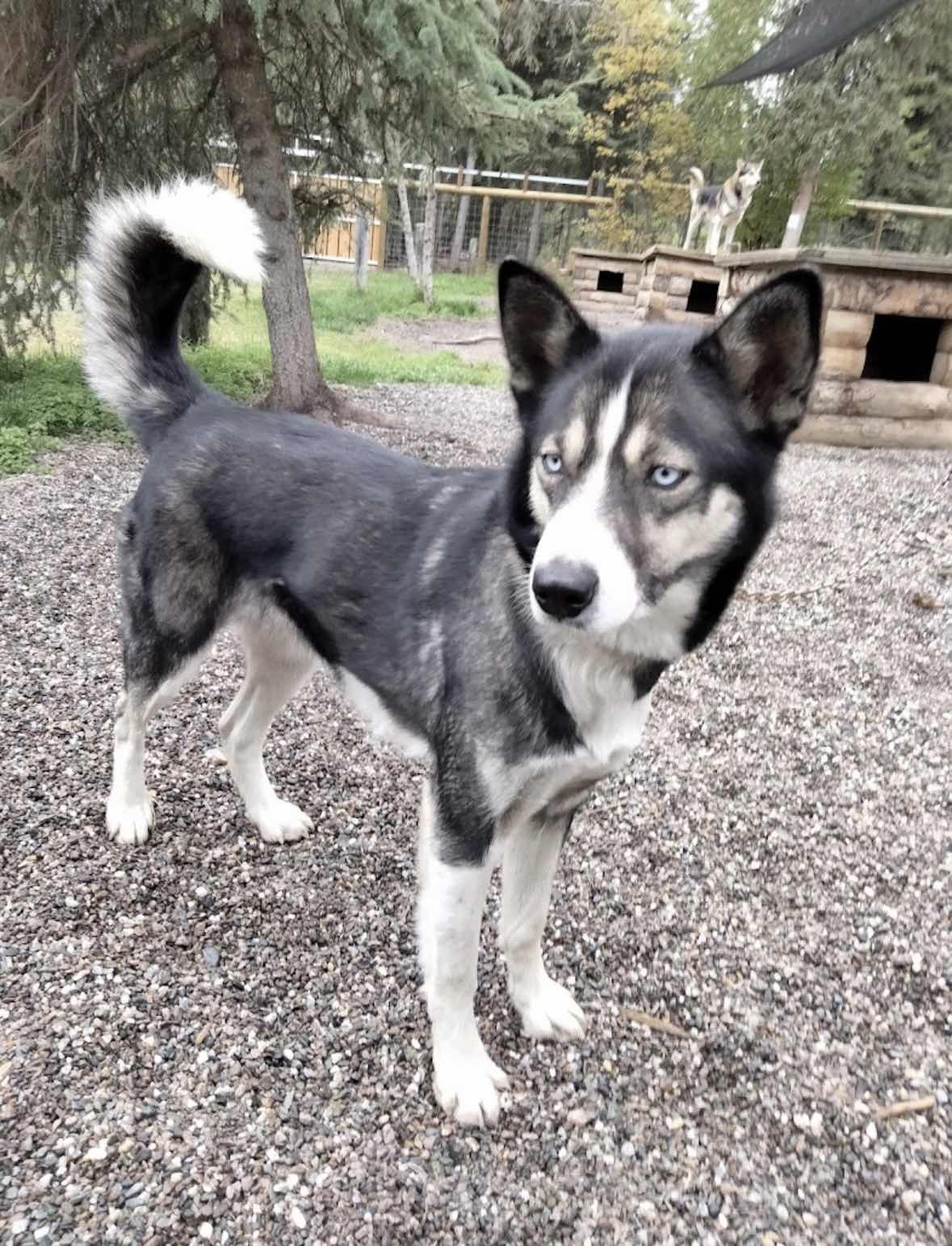
The history of sled dogs in Denali National Park reaches back over 100 years to 1922. While 100 years is a long time, in Alaska, sled dogs have been part of the landscape for many more hundreds of years. Native Alaskan families all had a few sled dogs that served as transportation for trapping, trading, and traveling to neighboring villages.  So, one of the fun activities you can do at Denali National Park is go to visit the dog kennels and learn about how the park staff train and utilize the sled dogs for all kinds of work at the park.  The Denali sled dogs' bloodline can be traced back to free-ranging, semi-wild village dogs that precede modern standardized breeds. Overtime, humans crossbred working breeds (i.e., Siberian huskies, Alaskan malamutes. Samoyed, German Shepards, etc.) into the village dog bloodline to create the ultimate hard working, hard pulling breed. The lack of uniformity is due to selective breeding for performance versus a standardized appearance. That's ...

Hiking in Denali National Park

Image
Hiking in Denali is very different from other National Parks we have visited. The first difference is there is only one 92 mile road in the entire park which encompasses over 6 million acres! This road, Denali Park Road, is only paved for the first 15 miles. And due to a landslide that occured in 2017, only 43 miles out of the 92 are currently used today. So you won't be driving throughout Denali! A second major difference is the lack of defined trails. While there are a few marked trails around the visitor center, the majority of hiking in Denali is called "Freestyle, Off Trail" hiking. This means hikers navigate without the constraints of designated paths. Denali offers a unique opportunity for this type of hiking due to extensiveness of the wilderness. This style of hiking combined with the extensive wildlife offers ambitious hikers a truly "wild experience." Due to a number of factors, Greg and I didn't avail ourselves this time to the Freestyle, Off Tra...

Denali, the High One

Image
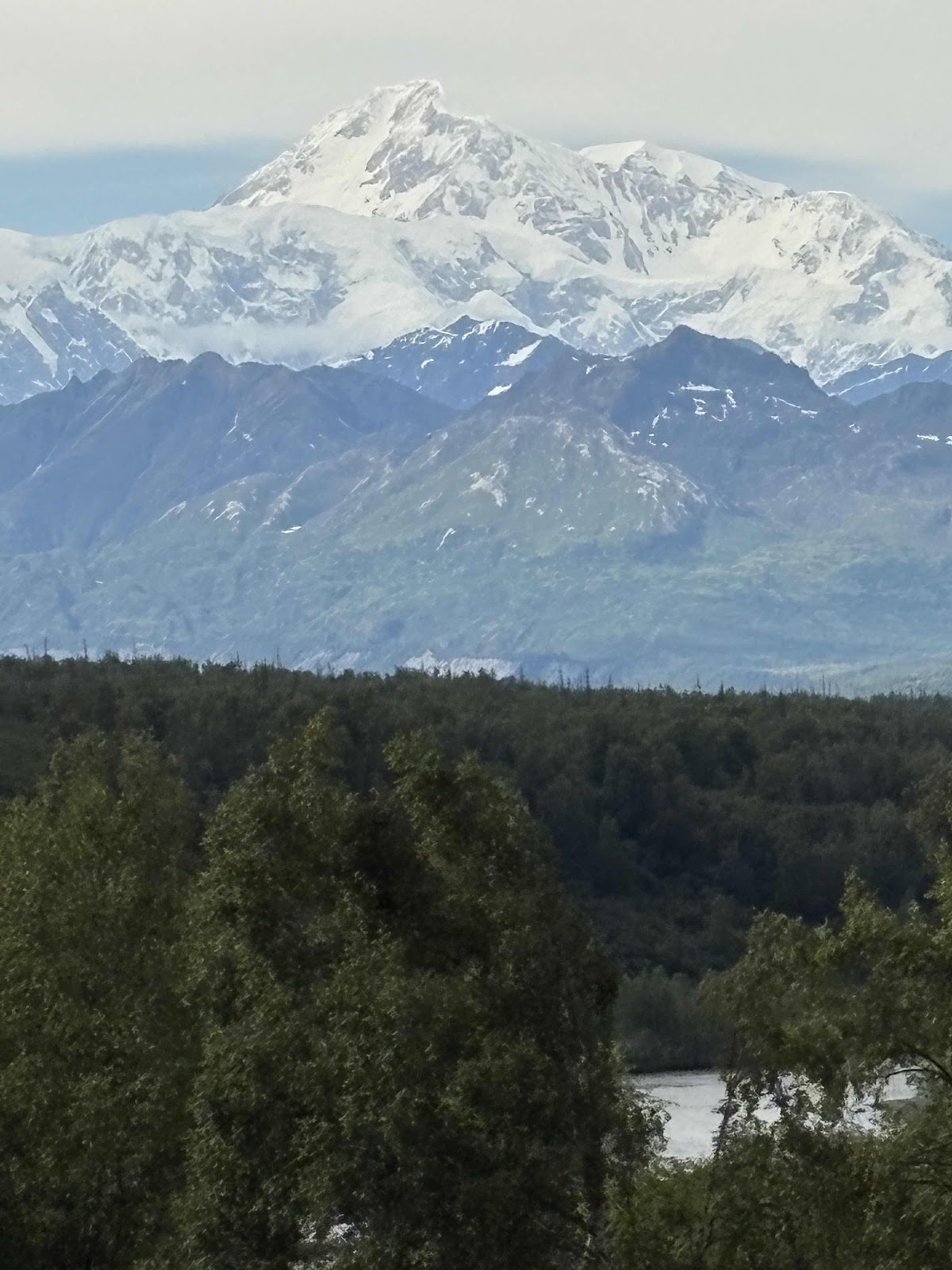
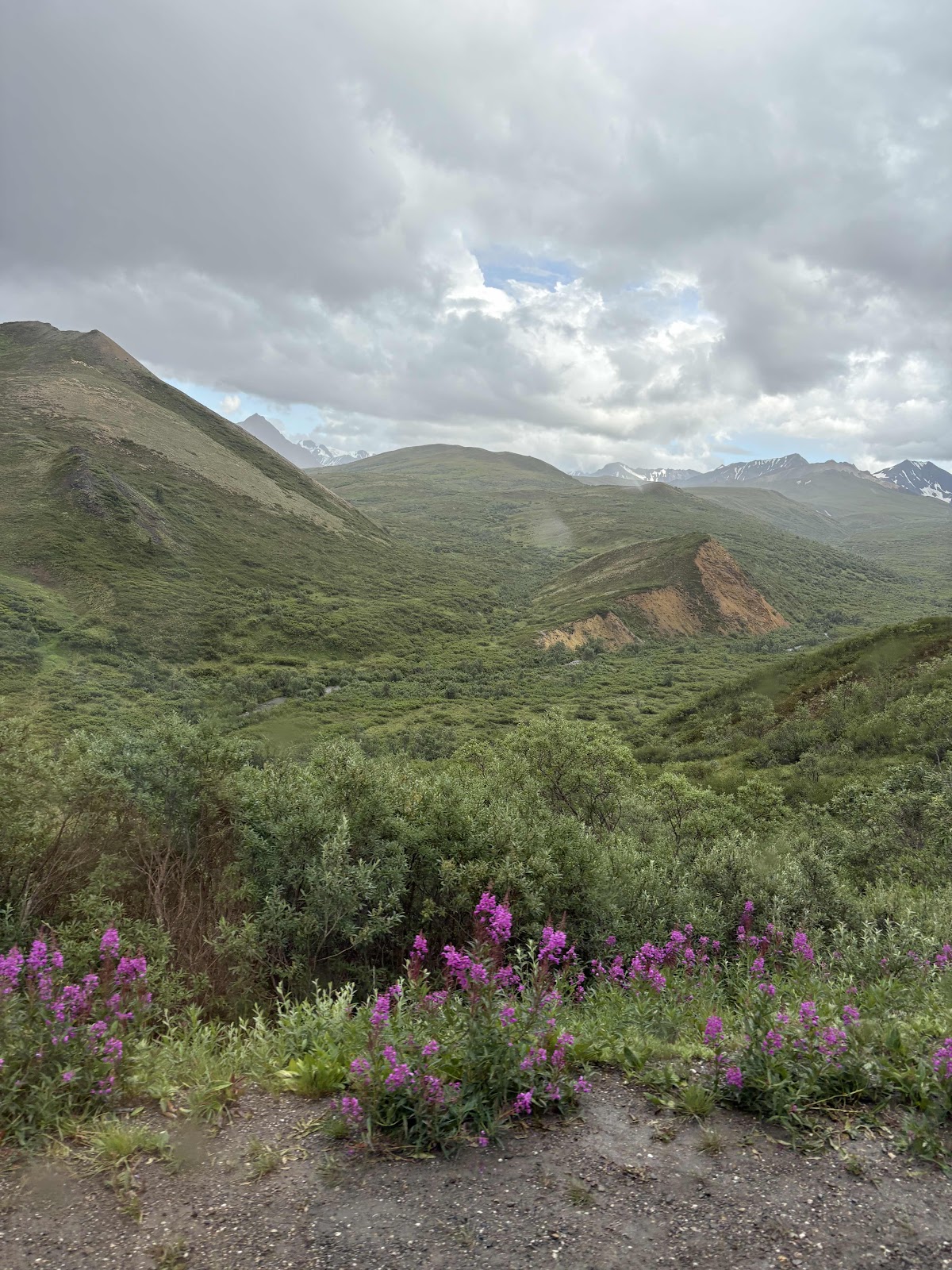
We picked up a rental car in Anchorage and drove four hours to Denali National Park. We are staying at a cute little cabin right on a creek about 5 miles away from the park entrance. It is just perfect! The next morning, we drove over to Denali National Park to begin learning more about this special place.  Denali's first residents migrated here about 13,000 years ago from Asia over the Bering Land Bridge. These first inhabitants lived in the park year-round changing location with the seasons in small family groups. These indigenous Athabaskans called themselves "Dena'ina" and the called the mountain "Denali," meaning "the high one." In 1908, the young hunter and conservationist, Charles Sheldon was deeply moved with the beauty of the vast wilderness while being simultaneously alarmed by the loss of wildlife resulting from unrestricted hunting of the Dall Sheep. He realized that without protection, even this most remote of places could be damaged ...

Forest Bathing on Winner Creek Trail

Image
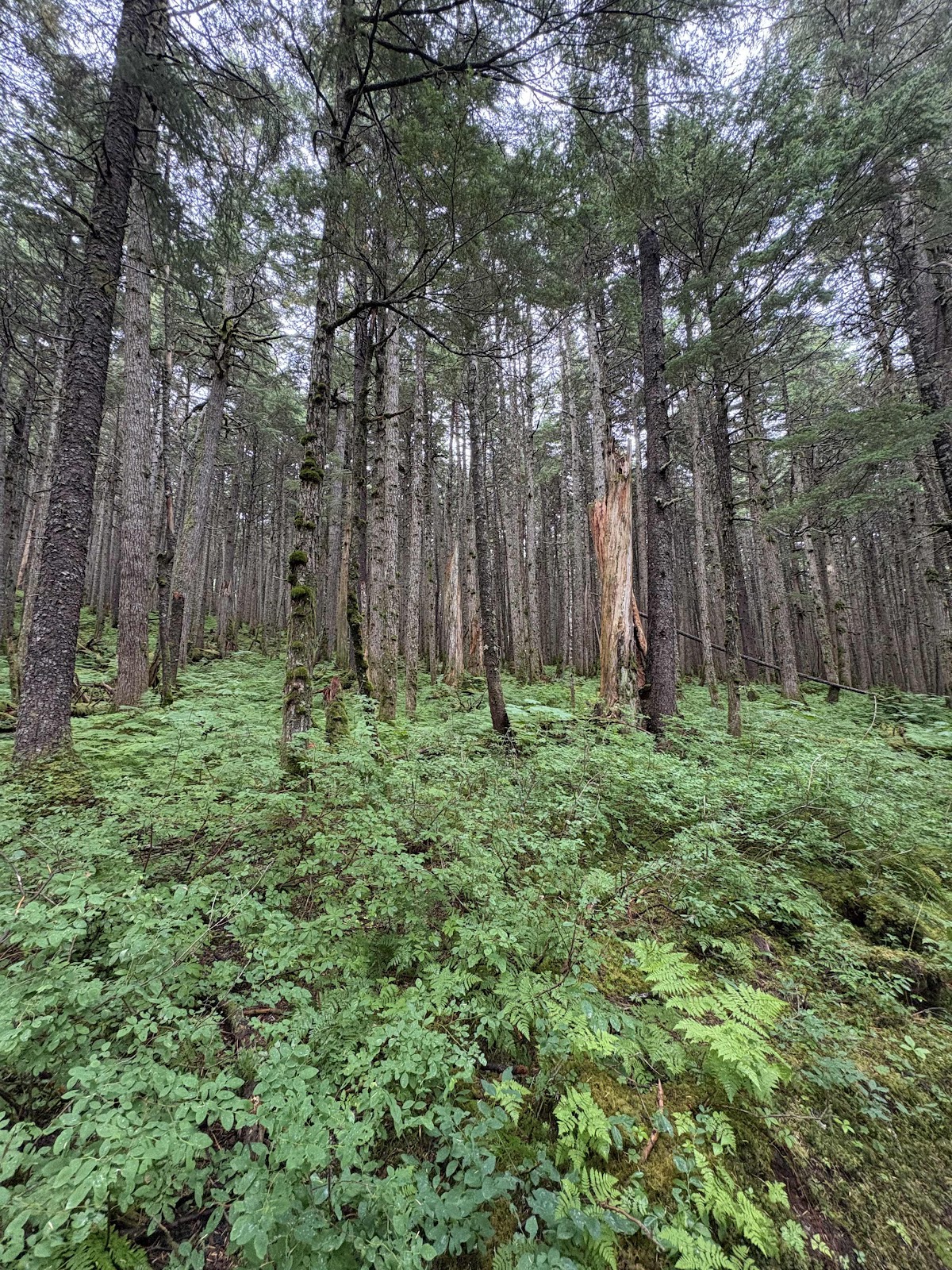
This morning we took our last hike on Winner Creek Trail that is located in a beautiful boreal forest behind the Alyeska Resort. Boreal forests are characterized by spruce, pine, larch, ferns, mosses and lichens. Kailey and Lauren told us we would be doing some "forest bathing" as we hiked down to the gorge.  The walk was so still and green - so beautiful! The final capstone of our hike was seeing a mama moose with her twin babies. We were thrilled as we had hoped all week to have a moose sighting. We told Kailey and Lauren they were truly the "Dream Team" as leaders for "arranging" this final surprise!

Hiking on the Iditarod Trail

Image
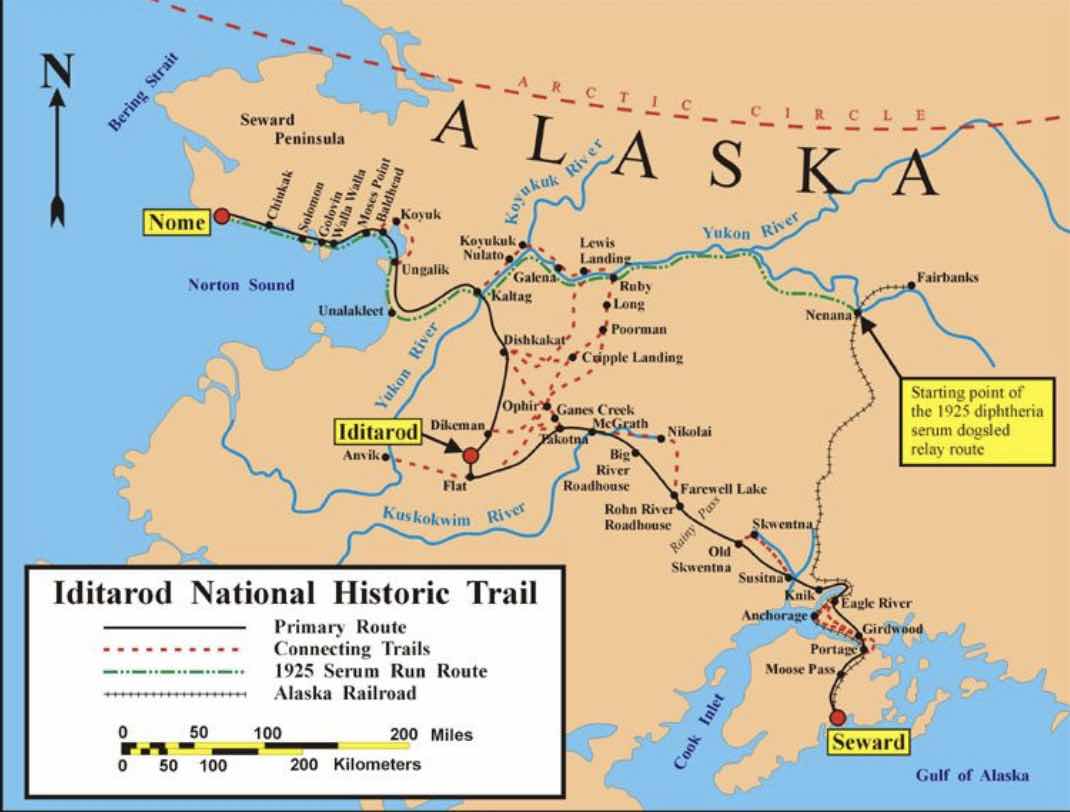
One hundred years ago in 1925, the Great Race of Mercy, also known as The Serum Run, was a transport of diphtheria antitoxin by dog sled across the US territory of Alaska. The run was made by 20 mushers and 150 sled dogs across 674 miles in 5.5 days saving the town of Nome and surrounding communities from developing an epidemic of diphtheria. This morning we left the Kenai Pennisula and traveled into the Chugach National Forest. As you can see from the photo and the radar, we did NOT have the sunny skies we've been so lucky to have the last four days.  We were going to have an opportunity to hike on a part of the historic Iditarod Trail that is still used today for the annual Iditarod Sled-dog Race that runs from Anchorage to Nome.  Since we all had brought rain gear, we dug into our packs and pulled it out to use for our hike today.  One of the nice things about each day is that we have "hike options." Many of us chose to do the medium level hike to Monarch Mine Ruins. ...